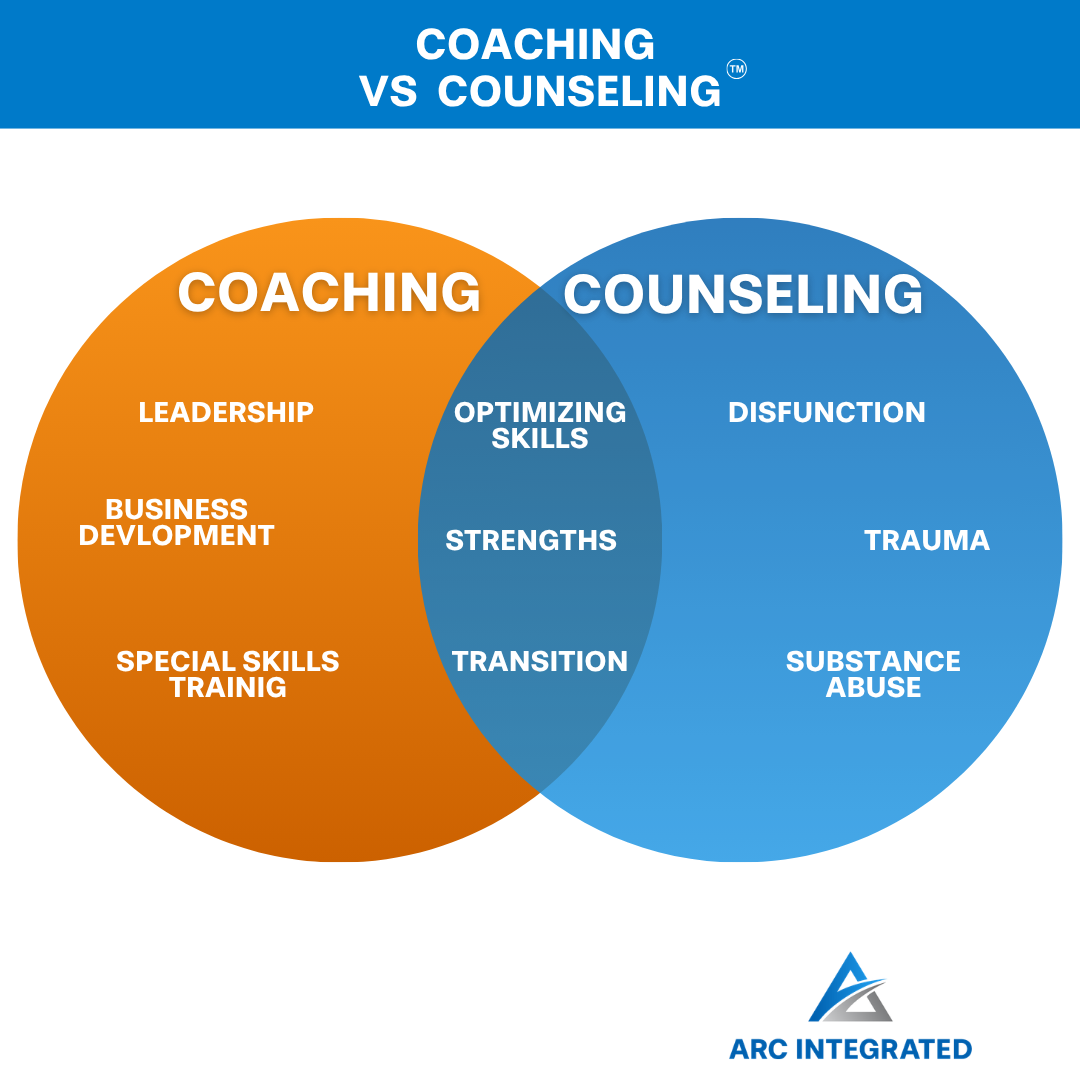
There are many different resources regarding what the difference and similarities are when looking at counseling vs coaching, or counselling vs coaching, as it is spelled in British and Canadian English. We see them as definitely more connected than separate. However, when considering which one to move towards we think this is an even easier question. When looking for a therapist the issue is often related to a pain or a function that needs to be addressed. When looking for a coach someone may be more interested in developing something new, improving something already in place or advancing in career, health, finance, leadership or relationally. When looking for more resources about coaching, a great resource is The International Coaching Federation. For access to more information about therapy, visit Good Therapy. However, if you are trying to decide what service to go with, counseling or coaching, then see this article on How to Choose a Therapist or Other Helping Professional.
What Is the Difference Between Coaching and Counseling?
If you decide that coaching is the route to take, then great! Remember there are lots of options within coaching, just like within therapy. Similar to therapy, coaching involves setting goals and pursuing specific outcomes. However, unlike therapy, coaching involves forward facing strategy and is not focused on resolving emotional functioning or processing pain for example.
Personal Development Coaching
This may consist of working with individuals to make shifts in their lives that they feel will help them move towards the direction they want. Personal development coaching can be related to work, relationships, finance or wellness. This type of coaching may involve exploring strengths and challenge areas in order to build on individual passions, successes and experiences.
Executive Coaching
Executive coaches may work with leaders within an organization around business strategy or how to most effectively work with employees. Alternatively, executive coaches may also help to offer insight into how the personal dynamic of the individual impacts their business.
Career Coaching
Just as it sounds, insight around what kind of career to start, move from, end or change. This can often be a component of other types of coaching or a specialty.
Similar to therapy, coaching involves setting goals and pursuing specific outcomes. However, unlike therapy, coaching involves forward facing strategy and is not focused on resolving emotional functioning or processing pain for example.
Personal Development Coaching: A Form of Coaching, Not Counseling
Personal development coaching is one of the most misunderstood categories in the helping professions. People sometimes assume that because it touches on personal growth, values, and self-awareness, it must overlap with therapy. In our experience, the distinction is fairly clear once you understand what each is designed to do.
Counseling is designed to address psychological pain, process past experiences, and restore healthy emotional functioning. Personal development coaching, by contrast, starts from a foundation of health and capability and asks the question: where do you want to go from here, and what might be getting in the way? The work is about building on what is already working, not resolving what is broken.
At Arc Integrated, we approach personal development coaching through the lens of conscious leadership. Much of the work involves helping individuals understand the patterns shaping how they lead, relate, and make decisions. If you are curious about the framework we use to explore that, our Conscious Influence Model is a good place to start.
Counselor vs Coach: Credentials and Training
So how does one decide what qualifies a coach within any of the previous categories, or even other coaching categories? Just like within many of the disciplines of the mental health field, coaching has and is evolving. At this point, anyone can still call themselves a “coach.” This is different from stating “Licensed Counselor, Psychologist, Marriage and Family Therapist or Licensed Social Worker”, where in fact there is a mandatory license to be able to use this language. Since coaching is relatively new it is only governed by certification. So while you don’t need a certificate or license to call yourself a coach, you can obtain a certificate in a wide variety of coaching disciplines. So does this make it less credible? We don’t think so, necessarily. While it is not governed with the level of scrutiny as the other mental health professions, this doesn’t mean that there aren’t highly skilled professionals in the coaching field that bring a great wealth of knowledge and experience. Ultimately it comes back to the question of: Do I identify with, trust and feel like I can gain valuable insight from this person?
Coaching vs Therapy: Which Is Right for You?
In our opinion both coaching and counseling are greatly valuable. We think that the approaches you are looking for as well as what you are trying to change are equally important questions to ask if you are considering signing up for therapy or coaching.
How to Choose Between Coaching and Counseling
Here are some questions to ask yourself, or the helping professional, when considering which direction to take.
How action oriented do I want this process to be?
How much time do I want to spend processing what is happening or what happened?
Am I in the process of or still struggling with some kind of traumatic experience?
Is this change that I am after more goal oriented or process oriented?
Am I wanting to gain insight into this issue or am I just interested in changing circumstances?
If you’ve been wondering whether executive coaching might be the right fit for you or your organization, book a free strategy call. We guarantee you will gain valuable insights into what might help take your team to the next level.
P.S. If you are curious to learn more about personal development, effective workplace culture, dynamic leadership and a wide variety of other topics, sign up to our newsletter today! You’ll also receive Chapter One (for FREE) from our CEO’s book – CHANGES. This book explores seven themes of sustainable change so that you can finally achieve the professional and personal goals you have been striving for but keep missing.